
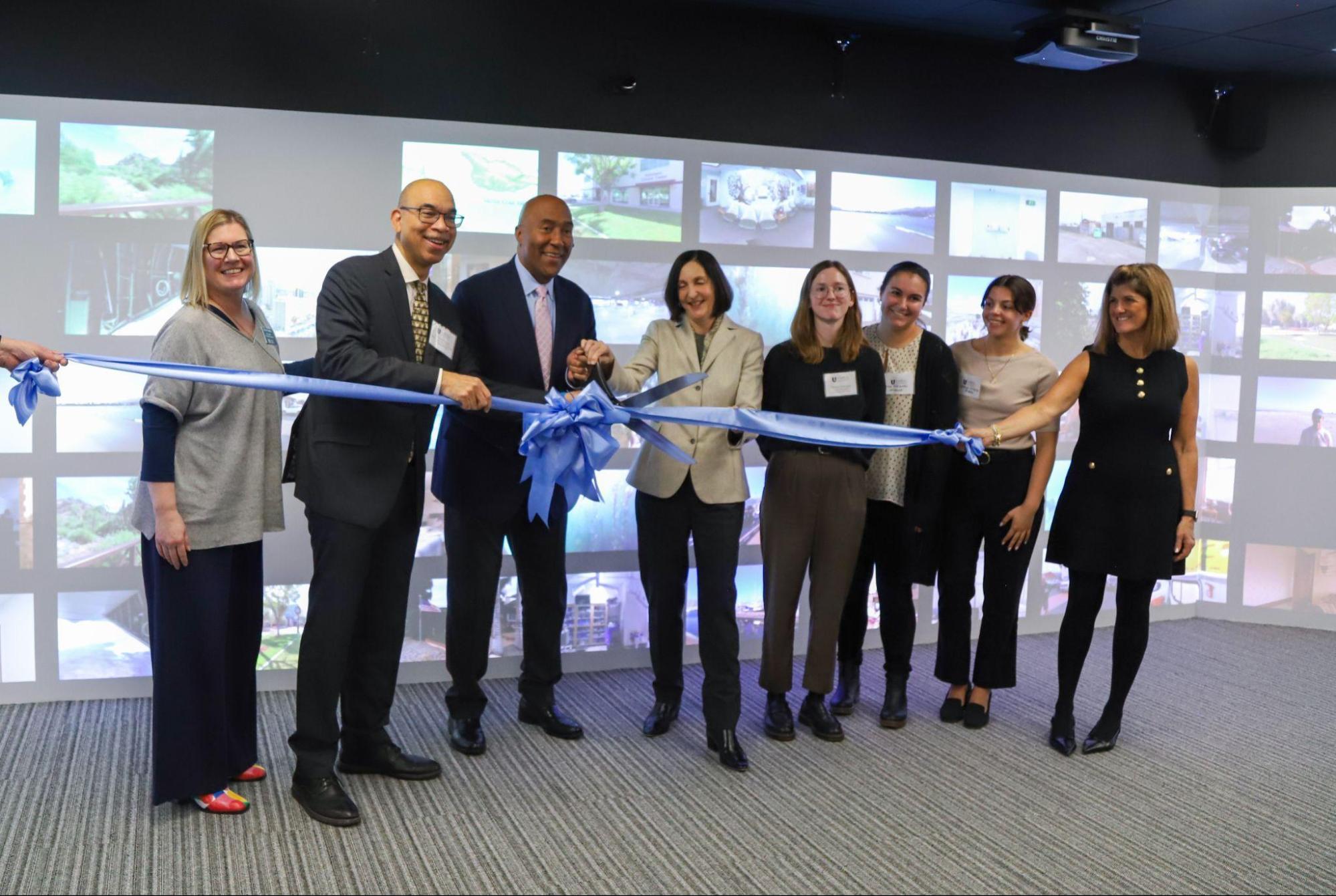
WorldViz brings the journey from research idea to funded immersive facility into one practical three-part resource series.
For many researchers, the ambition is not simply to purchase VR equipment. It is to create a facility that can support rigorous studies, attract collaborators, train students, and remain useful beyond a single project. Getting there requires three connected decisions: what the lab must do, what it will cost, and how to make a credible case for funding.
WorldViz has assembled three in-depth guides that follow that same 1-2-3 sequence. Together, they help academic teams move from an initial research need to a technically defensible plan, a realistic budget, and a stronger grant application.
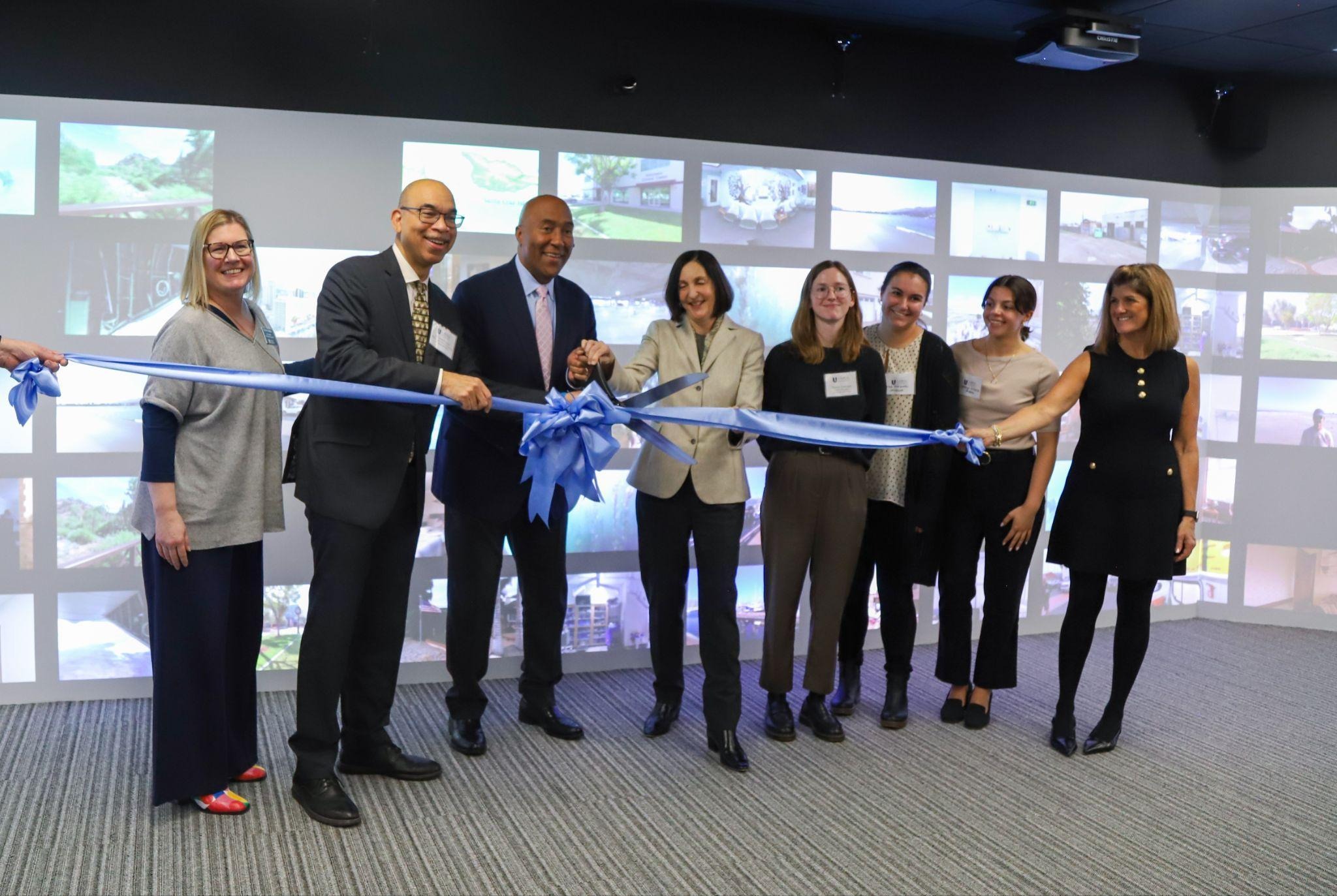
Start with the WorldViz VR Lab Setup Guide. It helps researchers define requirements for space, hardware, tracking, software, staffing, accessibility, and long-term operation before choosing a system.
Continue with the WorldViz VR Budgeting Guidelines for Scientific VR Labs. It connects the planned configuration to the full cost picture - including equipment, software, integration, personnel, maintenance, and lifecycle needs - so the estimate reflects the actual research program.
The newly updated How to Write a Winning Grant Application for Your Virtual Reality Lab shows how to turn the research question, experiment design, lab specification, and budget into a coherent funding case. It also covers Experiment Briefs, funding routes, review criteria, Institutional Review Board (IRB) planning, safety and data requirements, feasibility, and institutional value.
A funder should never have to reverse-engineer the scientific need from a hardware list. Guide 1 establishes why a particular immersive capability is necessary. Guide 2 shows what it will take to build and sustain it. Guide 3 turns those decisions into a proposal reviewers can evaluate. Each step strengthens the next.
That does not mean every research team is starting from zero. A mature project may enter at the budgeting or funding stage. But using all three guides as a final cross-check can expose gaps before they become weaknesses in a proposal: unclear requirements, missing lifecycle costs, underdeveloped human-subjects planning, or a disconnect between the experiment and the requested equipment.
Whether you are exploring a first VR research lab, upgrading an existing facility, or preparing a grant application, the three guides provide a practical route forward. Begin with the guide that matches your current stage - and use the other two to test whether the overall case is complete.
To learn more about planning, budgeting, or funding your academic VR lab, please contact us at sales@worldviz.com.